




By Manoel Almeida, Operations Coordinator, and Soraya Pires, Global Head of Climate Solutions.
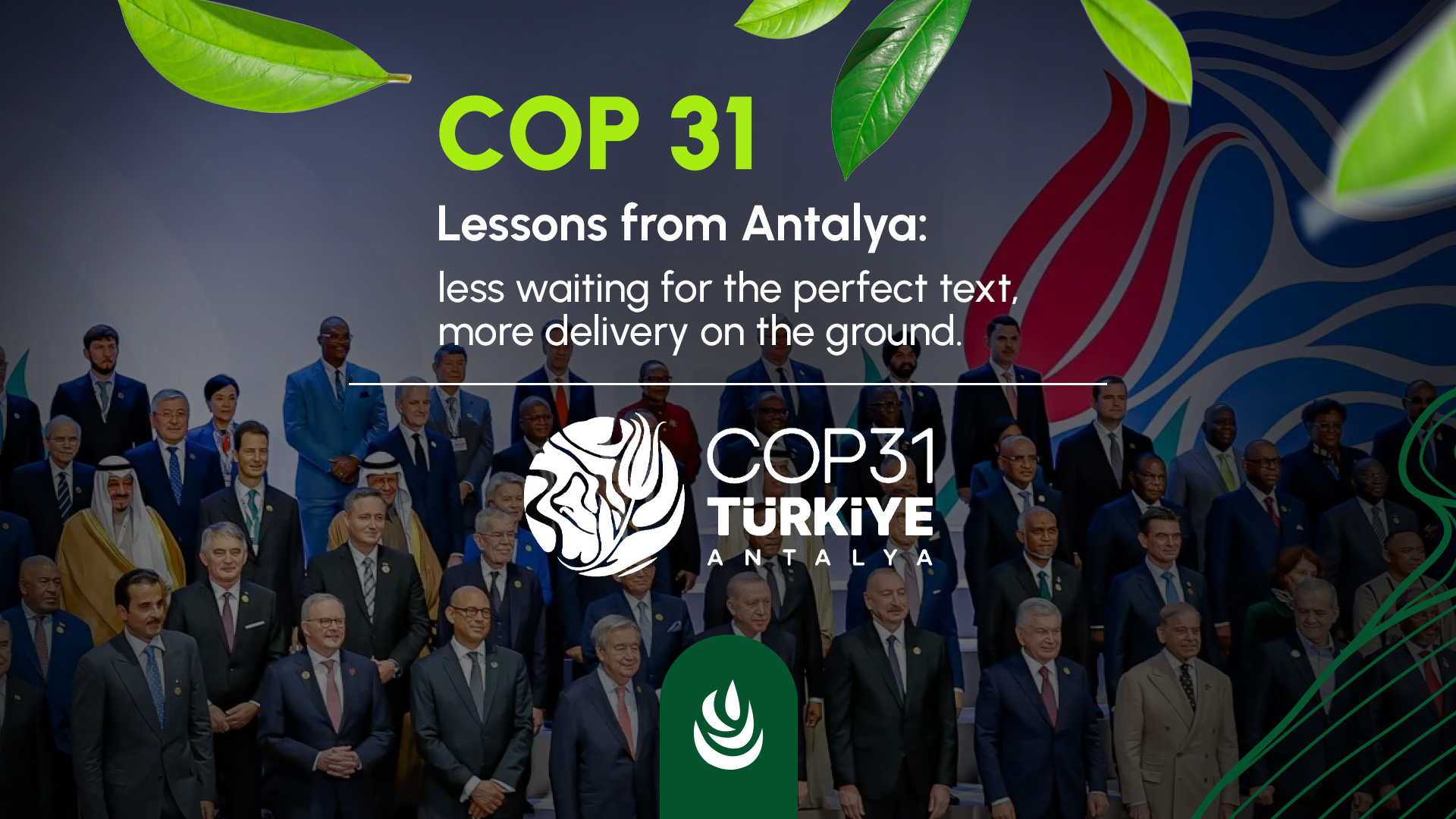
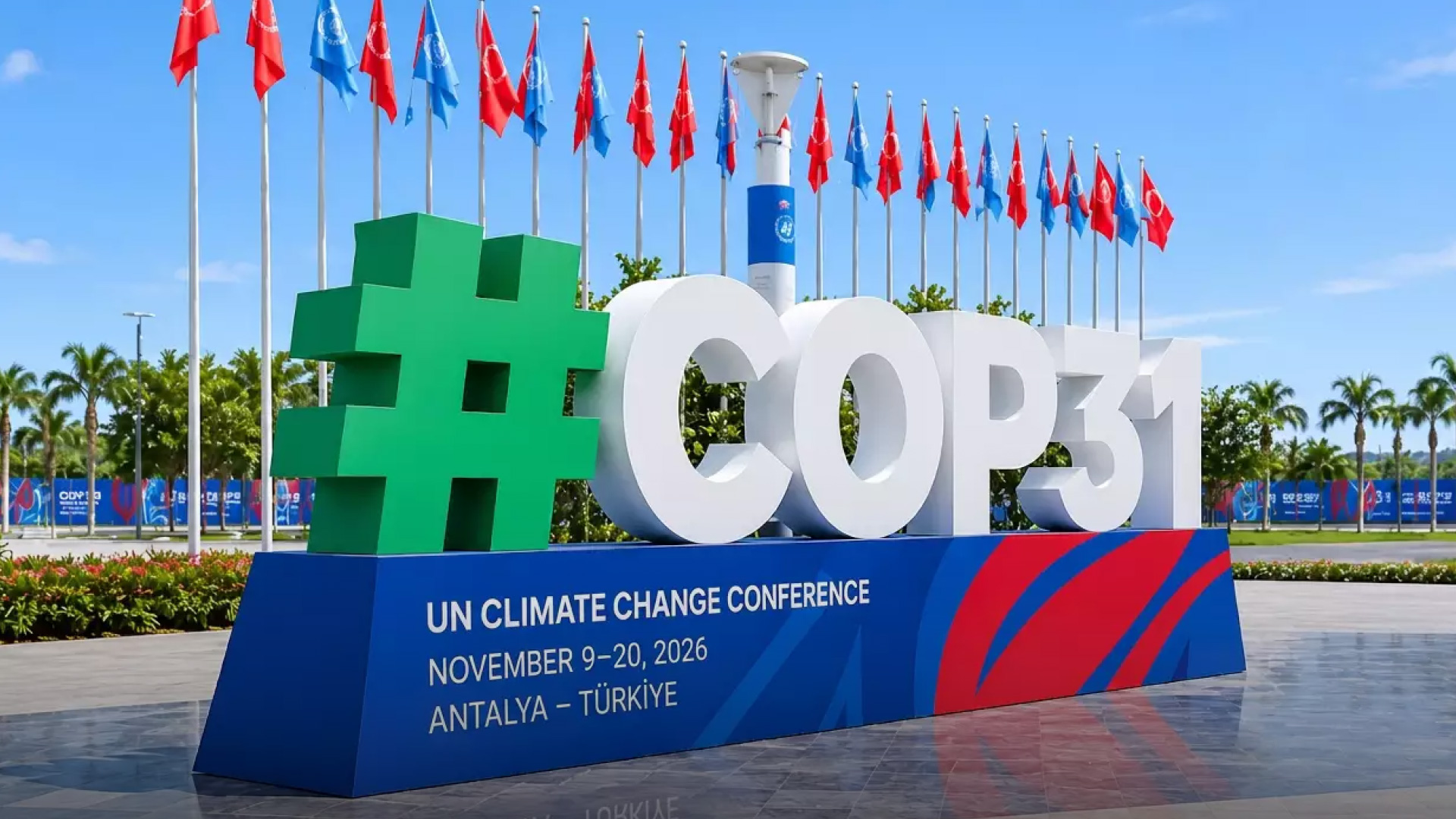
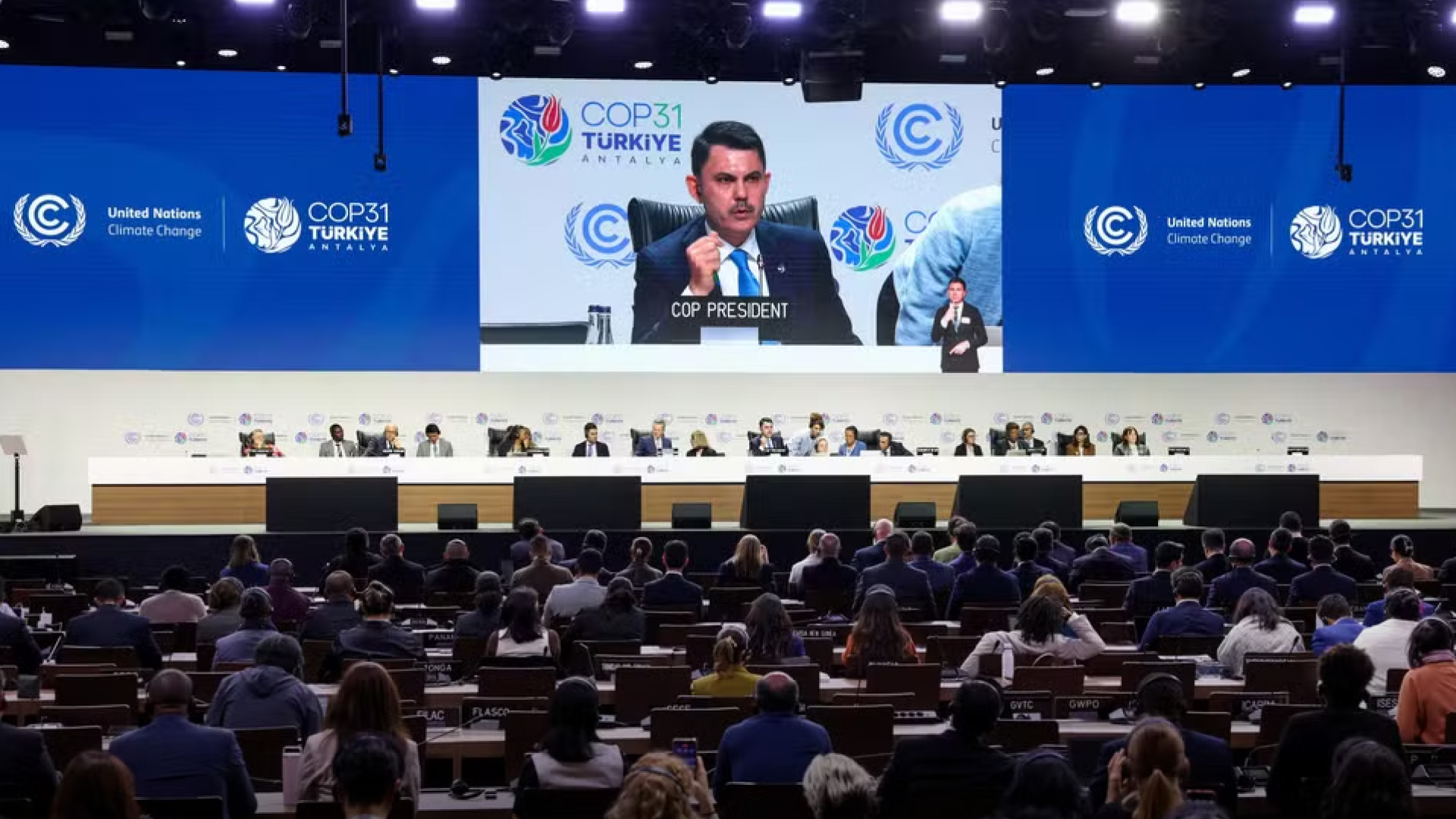
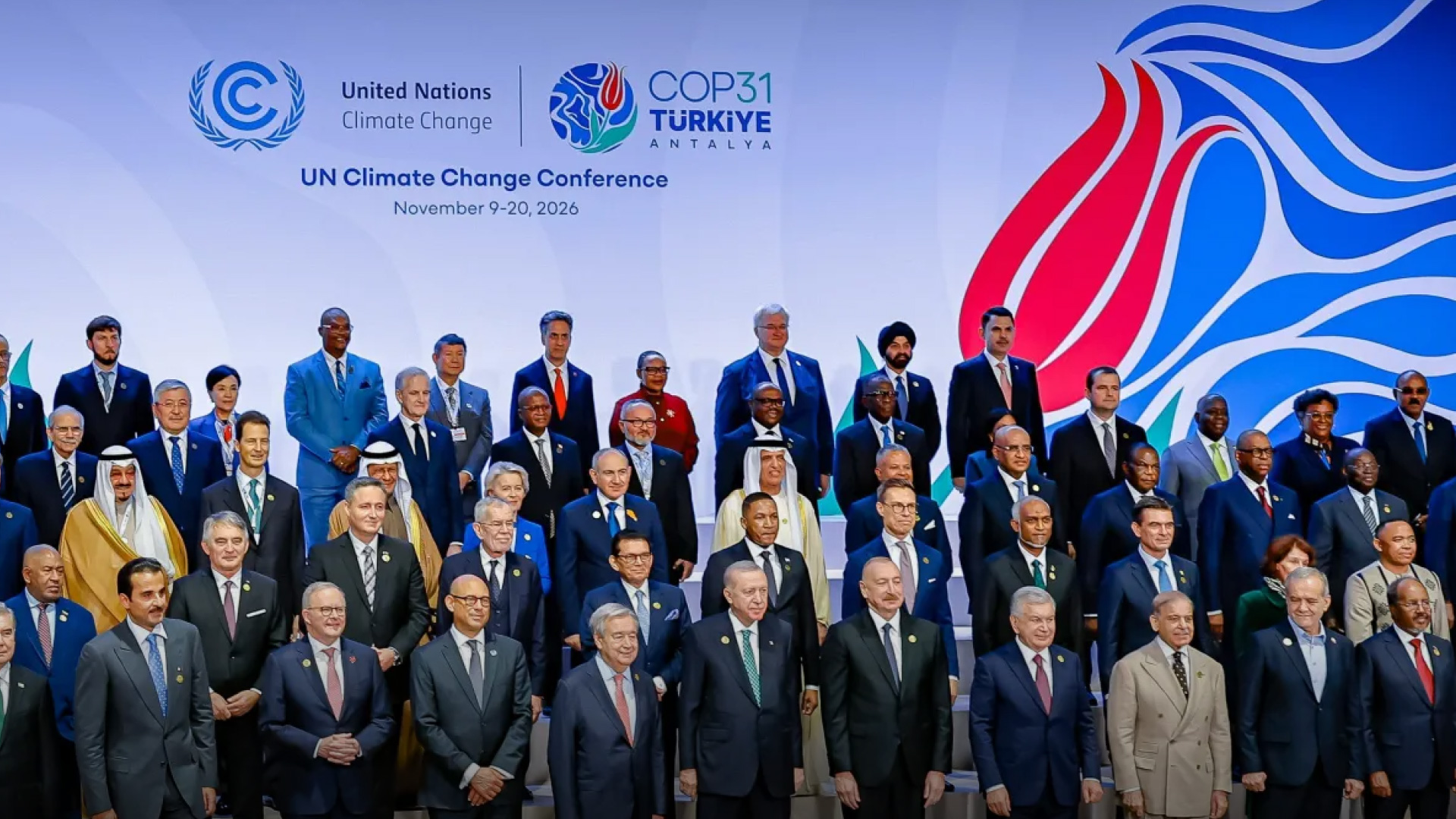
COP31, held in Türkiye and concluded on November 22, after a two-day extension, ended without consensus on its main political agreement, the so-called Antalya Pact, named after the city that hosted the conference. It was the first time since Copenhagen in 2009 that the world’s largest climate conference ended without an agreement. For Biofílica, the most concerning consequence is the risk of further delays in emissions reductions, as postponing cuts once again raises the peak level of global warming the planet will reach.
The 2026 Emissions Gap Report, published in October by the United Nations Environment Programme (UNEP), concluded that it is no longer possible to limit warming to 1.5°C without temporarily exceeding that threshold. Even if all national climate targets (NDCs) are fully met, the world is still on track for approximately 2.6°C of warming this century, or 2.8°C if only current policies are considered. According to the report, every five years of emissions at current levels adds approximately 0.1°C to global warming, increasing the impacts we are already experiencing, many of which are irreversible.
Even so, in this context, we witnessed a conference that:
- Maintained some momentum in the implementation of Article 6 of the Paris Agreement, but made no progress in improving the quality of its rules. Under Article 6.2, the decision merely “takes note” of the 543 inconsistencies identified by the technical review of transfers between countries, without proposing or implementing solutions. Under Article 6.4, the request for a formal assessment of the combined effect of the mechanism’s standards was dropped. One positive development was the reform of the Adaptation Fund, which may now receive a share of the proceeds from the Article 6.4 mechanism.
- Failed to approve the main political text, as the final proposal contained no explicit references to transitioning away from fossil fuels and did not incorporate the roadmaps developed by the Brazilian COP30 Presidency to guide this transition. This led approximately 90 countries to strongly reject the proposal. The mitigation work programme was also not renewed.
- Failed to establish the baseline from which adaptation finance should triple by 2035 or how this increase would be achieved. The US$120 billion figure included in the first draft was removed from the final text; new public financing commitments were modest; and the Loss and Damage Fund has received US$342 million in pledges, compared with US$2.8 billion in requests. These gaps make it harder to plan and mobilize investments in vulnerable countries, leaving the energy transition and forest conservation and restoration without the financial backing they need. These are precisely the areas capable of delivering high-integrity emissions reductions and removals.
In our assessment, the outcome in Antalya is negative both for the global climate trajectory and for the functioning of global carbon markets. The conference kept part of the infrastructure for transferring mitigation outcomes in place, but failed to establish pathways for reducing emissions by moving away from their primary source or to structure the financing needed to scale and reward lower-emission alternatives, as well as forest conservation and restoration, which remove carbon from the atmosphere.
Beyond the urgent fight against global degradation, a global transfer system without technical corrections and a carbon market without a clear decarbonization signal or complementary financing risk losing demand, price predictability and, above all, purpose. This scenario perpetuates climate inequality by favoring those who already have the interest and resources to finance their own emissions reductions, while leaving vulnerable countries facing the most severe impacts of climate change, as well as developing countries with significant potential for emissions reductions and removals, such as Brazil, without adequate support.
There is also a risk we believe must be clearly acknowledged: carbon offsetting could be used as a substitute, rather than a complement, to the structural changes required. Every year of delay increases the amount of carbon that will need to be removed from the atmosphere later, at greater cost and with greater uncertainty. Carbon credits only fulfill their role when they finance additional, measurable and permanent emissions reductions and removals alongside decarbonization, never in place
of it.
For Biofílica, the next step is to transform the Article 6 infrastructure into effective financing instruments for additional emissions reductions and removals. This means expanding financing opportunities for forest conservation and restoration projects, strengthening the integrity of carbon credits and connecting capital with initiatives that deliver climate results and socio-environmental benefits. In this regard, the contributions announced to the Tropical Forests Forever Facility (TFFF), which received US$88 million from philanthropic organizations in Antalya, in addition to the recent US$500 million contribution from the Netherlands, demonstrate the potential to mobilize resources for this agenda.
Antalya also showed where the climate agenda is heading, regardless of government interests: voluntary coalitions, national roadmaps, private and philanthropic finance, and on-the-ground implementation are moving faster than consensus among nearly 200 countries. While negotiations stalled, approximately 80 countries joined the target of increasing electricity’s share of final energy consumption to 35% by 2035. Coalitions supporting roadmaps for transitioning away from fossil fuels also expanded, and the Action Agenda reported that 87% of the plans launched in Belém are underway. For those working on the climate agenda, the lesson is to stop waiting for the perfect text.
In this context, Biofílica commits to:
- Delivering projects with proven integrity, supported by conservative baselines, transparent monitoring, science and technology, and independent verification, anticipating the stricter Article 6 rules, whose review begins in 2028.
- Demonstrating adaptation and community co-benefits, including outcomes related to water, biodiversity, income generation and the security of local communities and Indigenous Peoples, bringing the carbon market closer to the resilience needs that COP31 left without adequate funding.
- Using coalitions and partnerships as financing channels, connecting conservation and restoration projects with funds such as the TFFF, committed corporate buyers, investors and philanthropic organizations.
- Advocating for the complementary role of carbon credits, reinforcing in the forums where we participate that these instruments should help finance additional emissions reductions and removals, complementing efforts to decarbonize at source and never replacing them.
The next milestone is COP32, in Ethiopia, in November 2027. Until then, what will make a difference is not the next negotiated text, but what is delivered on the ground.
This is the path Biofílica continues to follow: connecting science, projects and investment to turn Nature-based Solutions into tangible results for the climate, biodiversity and society.
Follow Biofílica for more news, insights and updates on carbon markets, Nature-based Solutions and the sustainability agenda.
About Biofílica
Founded in 2008, Biofílica develops Nature-based Solutions and strategic solutions to support companies in their decarbonization, environmental management and climate change adaptation journeys. Its work integrates carbon projects, forest conservation and restoration, greenhouse gas emissions inventories, climate risk assessments, environmental consulting, strategic geotechnology and management systems such as Orbit Geo, SGT (Territorial Management System) and SGA (Environmental Management System), which support territorial monitoring and the management of environmental permits and documentation. By combining science, technology and territorial intelligence, Biofílica creates business value and delivers positive impacts for the climate, biodiversity and society.