




Climate Risk: Why Assessing Exposure Is the First Step Toward Adaptation
Climate change is already affecting infrastructure, operations, supply chains, water availability and financial performance. For organizations, climate risk is no longer just an environmental or long-term issue: it needs to be part of risk management, planning and investment decisions.
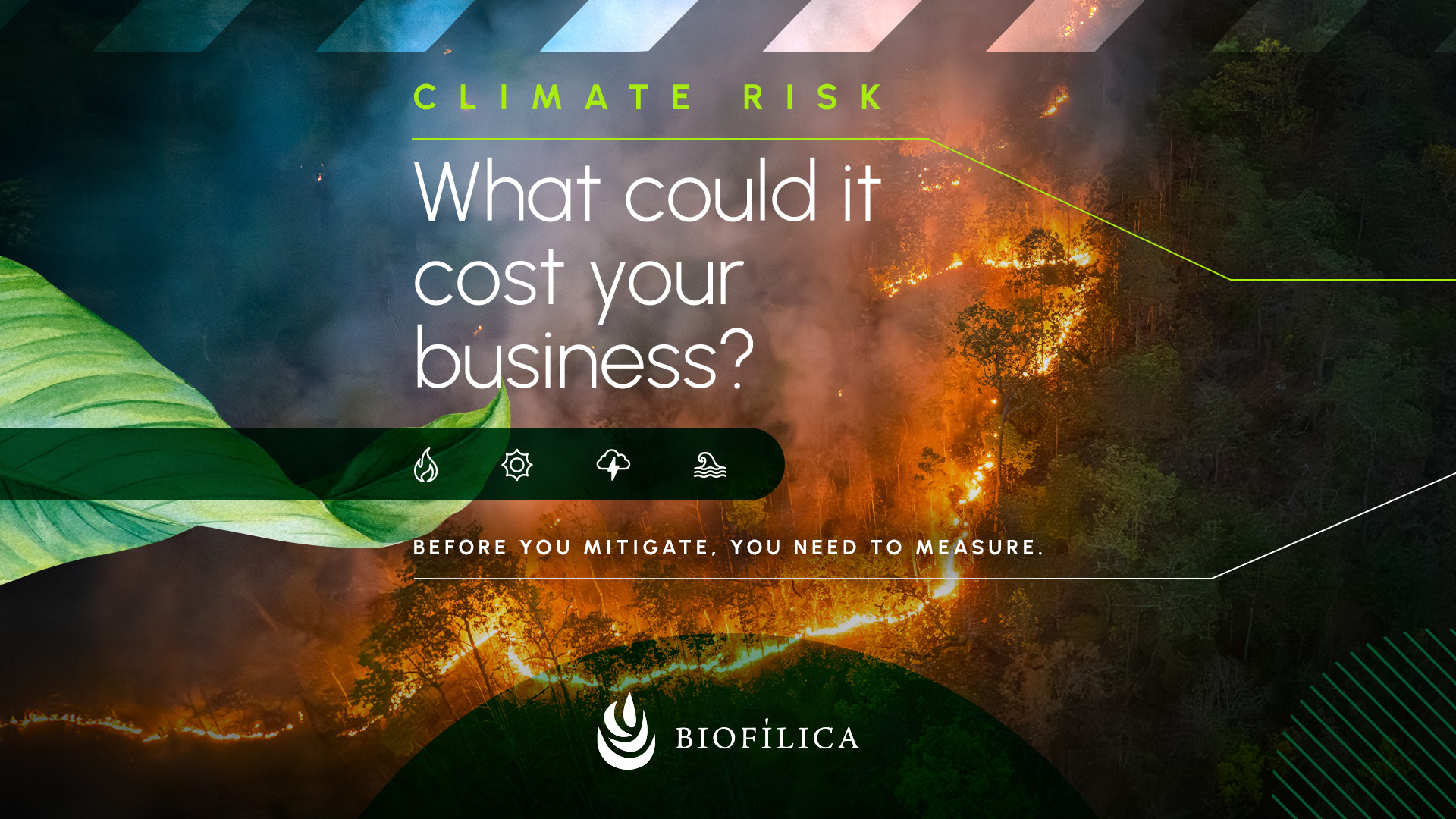
Heatwaves, droughts, floods, wildfires and water stress can affect assets, disrupt operations, impact suppliers and increase costs. However, the impact of a climate event does not depend only on whether it occurs. It is also related to what is exposed, existing vulnerabilities and each organization’s capacity to respond.
That is why, before defining adaptation measures, it is essential to understand where the risks are, what their potential impacts may be and which risks should be prioritized.
What Is Climate Risk for an Organization?
Climate risk is the possibility that extreme events and changes in climate conditions may affect an organization’s assets, operations, infrastructure, supply chains, services and performance.
Extreme heat, droughts, water stress, heavy rainfall, floods and wildfires can cause physical damage, operational disruptions, resource shortages and increased costs. These impacts, however, are not the same for every organization. They depend on location, asset characteristics, operations, critical dependencies and existing response capacity.
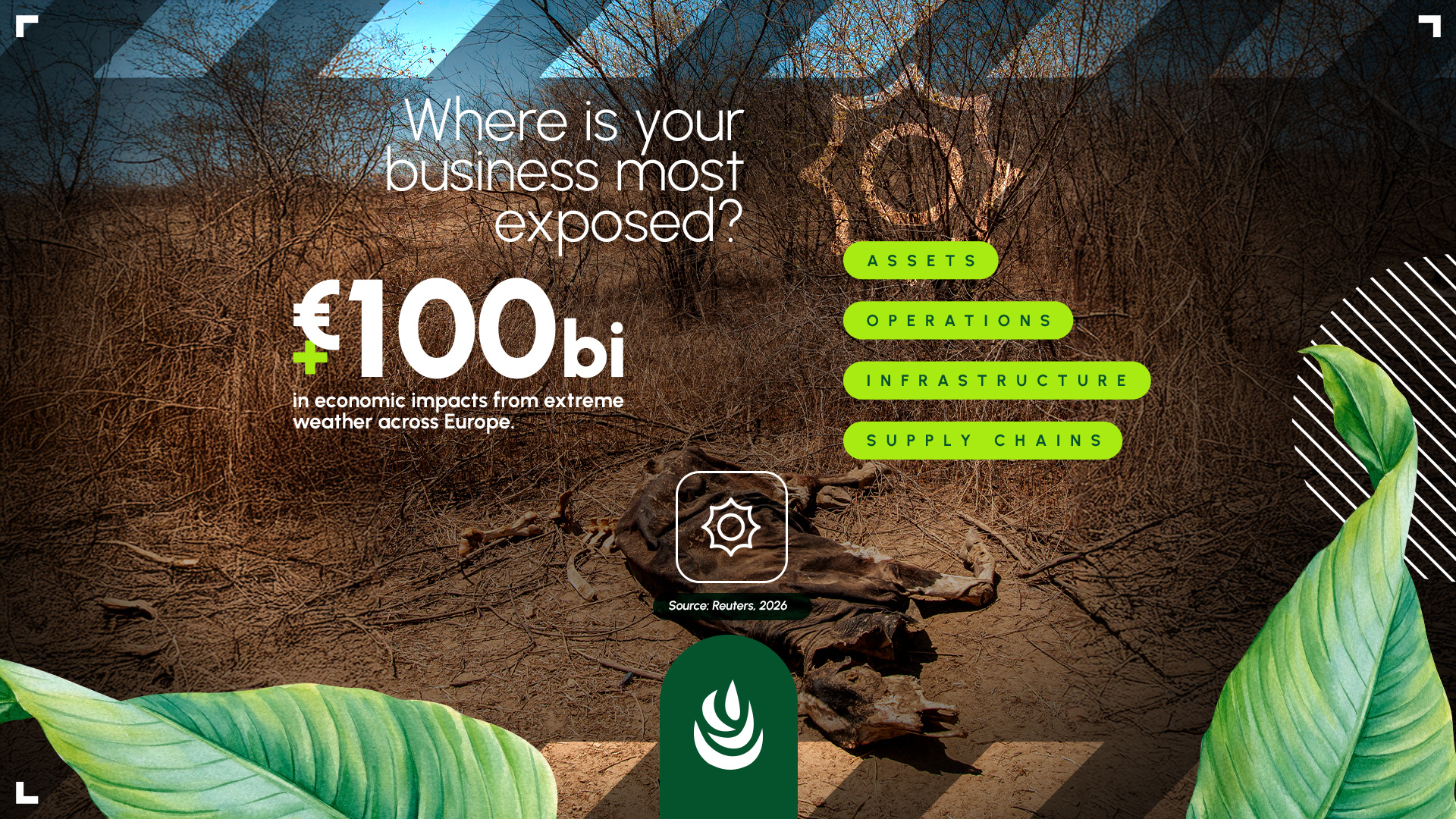
Therefore, assessing climate risks is not simply about identifying which hazards may occur. It is about understanding what is exposed, which vulnerabilities may increase impacts and how these risks can affect the business.
Why Assess Climate Risks Before Adapting?
An effective adaptation strategy starts with a diagnosis.
Without understanding exposure and vulnerabilities, it is difficult to determine which risks are most relevant, which assets and operations should be prioritized and where adaptation investments can deliver the greatest reduction in vulnerability.
A structured assessment makes it possible to identify the most exposed assets and infrastructure, understand which critical operations and dependencies may be affected, assess vulnerabilities across suppliers and logistics routes, analyze how risks may evolve and support the definition of adaptation priorities.
A climate risk assessment helps answer essential questions:
- Which assets are most exposed?
- Which operations could be disrupted?
- Which resources are critical to business continuity?
- How could extreme events affect suppliers and logistics routes?
- Which vulnerabilities could increase potential impacts?
- Which risks should be prioritized?
- Where can adaptation investments generate greater resilience?
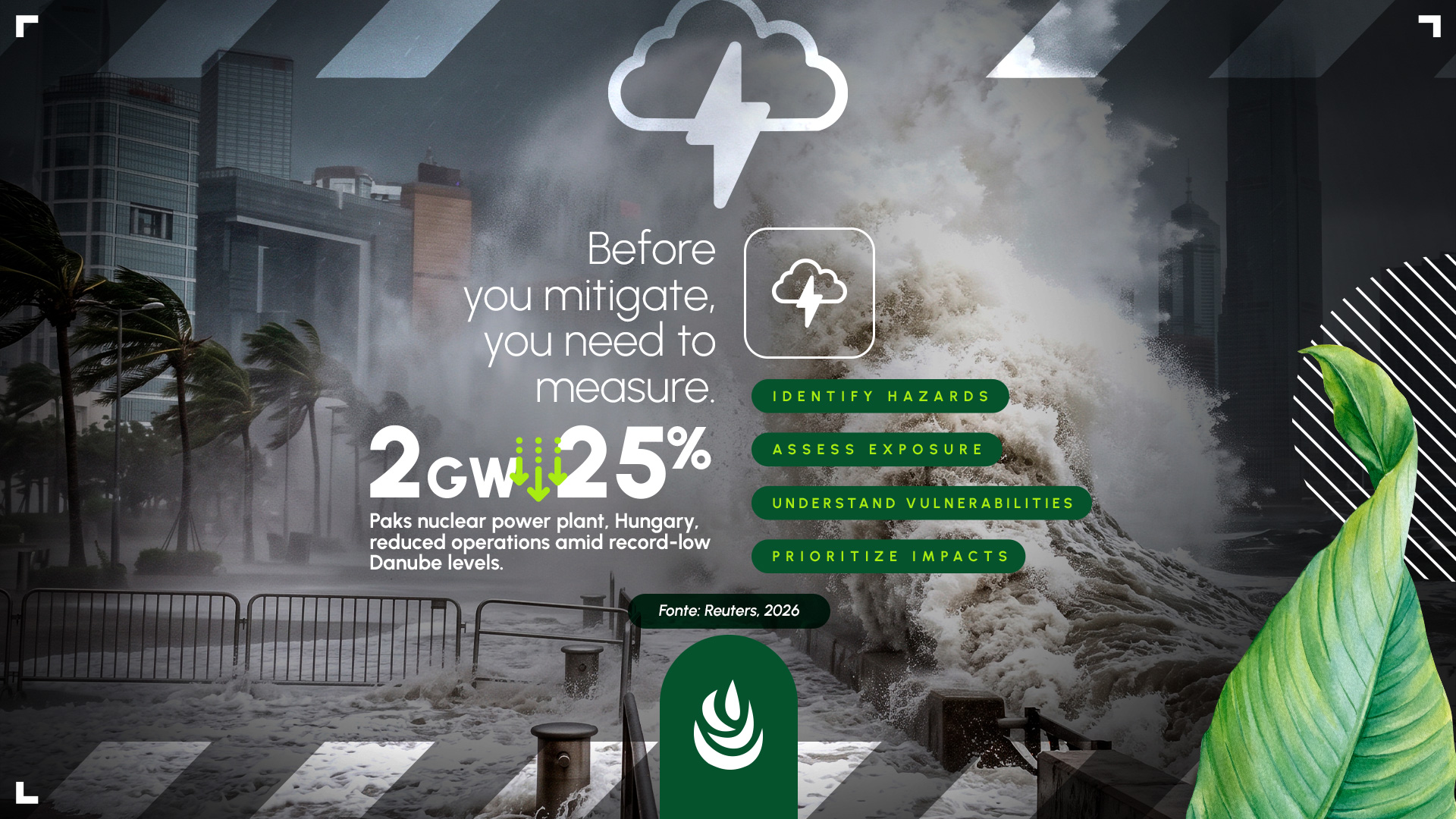
This information can also support investment decisions, planning and adaptation CAPEX, helping strengthen organizational resilience.
Assess first. Prioritize next. Adapt with strategy.
This approach transforms climate information into actionable insights for management, investment and planning decisions.
Exposure, Vulnerability and Impact
A climate risk assessment considers different dimensions to understand how a climate hazard can translate into impacts for an organization.
Exposure
Exposure refers to the assets, operations, infrastructure, resources and territories that may be subject to a specific climate hazard.
Mapping exposure makes it possible to identify, for example, facilities located in areas subject to water stress, assets exposed to flooding or operations that depend on resources vulnerable to climate events.
Vulnerability
Vulnerability refers to how an asset or system may respond when exposed to a specific hazard.
Two assets may be exposed to the same event and have different levels of vulnerability. Physical, operational, territorial and infrastructure characteristics influence how each one responds.
Impact
The combination of hazard, exposure and vulnerability makes it possible to assess potential impacts on the organization.
These impacts may include infrastructure damage, operational disruptions, reduced productivity, resource shortages, increased costs, supply chain disruptions and effects on financial performance.
This analysis makes it possible to move beyond a general understanding of climate change and develop a more concrete view of climate risk for the business.
Climate Risk Is Also Business Risk
Climate change is increasing the need to integrate climate-related issues into risk management and strategic planning.
A company may understand the climate events that occur most frequently in its region and still not know which assets are most vulnerable, how a disruption could affect its operations or which measures should be prioritized.
This is where climate risk assessment becomes a management tool.
By transforming information about climate, territory, assets and operations into a structured risk analysis, organizations are better positioned to prioritize actions, direct investments and strengthen resilience.
More than anticipating extreme events, it is about understanding what is exposed, what could be impacted and where adaptation can strengthen the organization’s capacity to respond.
Turning Climate Risk Into Strategic Decisions
Climate risk is already part of the business environment. The challenge is to understand how it manifests within each organization and which impacts may be relevant to its operations.
A structured assessment can support companies in identifying climate hazards, analyzing exposure and vulnerability, assessing potential impacts and defining priorities for adaptation and resilience.
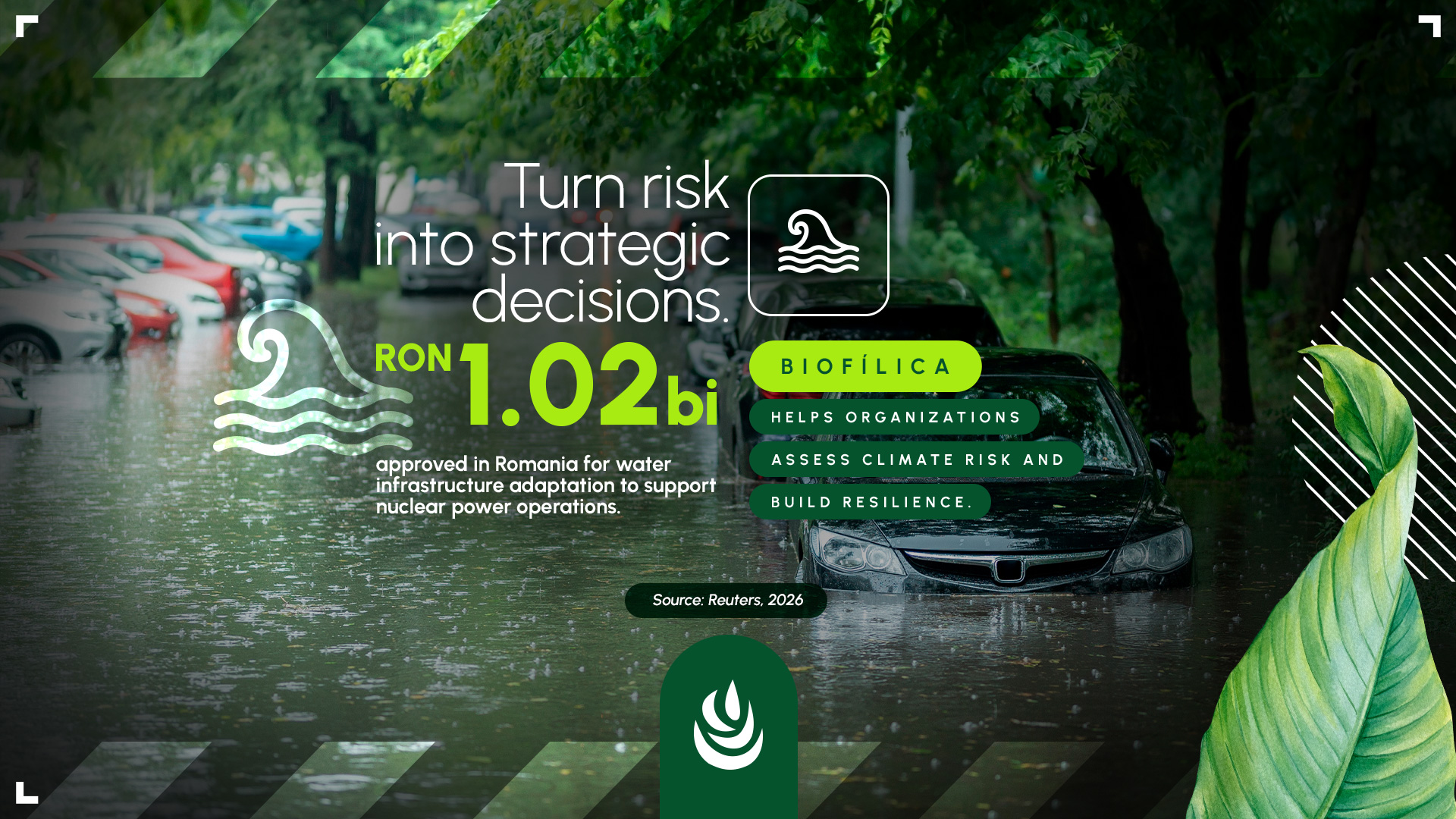
At Biofílica, our specialists support organizations in assessing climate risks, identifying vulnerabilities and developing adaptation and resilience strategies aligned with the characteristics of their assets, operations and territories.
Our approach connects Climate Risk Assessment, Water Stress, Business Continuity and Adaptation CAPEX, turning risk information into actionable insights to support decision-making.
About Biofílica
Founded in 2008, Biofílica develops Nature-Based Solutions to support companies in their decarbonization and climate adaptation journeys. The company works with carbon projects, forest restoration, greenhouse gas emissions inventories, climate risk assessment and emissions reduction and offsetting strategies, integrating science, technology, territorial intelligence and proprietary systems to generate positive impact for climate, biodiversity and society.