Measure your company's greenhouse gas emissions with Biofílica.
Biofílica develops greenhouse gas (GHG) emissions inventories in accordance with the guidelines of the Brazilian GHG Protocol Program and the ISO 14064-1 standard.
Measure your company's emissions and advance your decarbonization journey
Biofílica develops Greenhouse Gas (GHG) Emissions Inventories to help companies build robust climate strategies, providing reliable data to measure, report, and manage their emissions.
Our service covers the identification and quantification of emissions across all three scopes (Scopes 1, 2, and 3), following the methodological guidelines of leading market standards: the Brazilian GHG Protocol Program and ISO 14064-1:2018.
Through a structured, technically driven approach, Biofílica supports organizations in developing reliable and consistent GHG inventories, enhancing climate transparency, meeting reporting requirements, and preparing for external audits and public registry processes.
Biofílica develops Greenhouse Gas (GHG) inventories based on nationally and internationally recognized methodological frameworks, selected according to each company’s characteristics and specific needs.
BRAZILIAN GHG PROTOCOL PROGRAM
Provides specifications, technical guidance, and calculation tools for developing corporate GHG inventories, taking into account the specific characteristics of the Brazilian context and standardizing emissions reporting.
IPCC
Provides methodologies and guidelines for estimating GHG emissions and removals across different sectors, supporting emissions quantification and the selection of appropriate emission factors for the activities included in the inventory.
GHG PROTOCOL
Establishes international standards for accounting for and reporting corporate emissions across Scopes 1, 2, and 3, in alignment with ISO 14064-1, the standard for the quantification and reporting of GHG emissions.
Principles for GHG Inventory Development
A Greenhouse Gas (GHG) Emissions Inventory is the first step toward identifying emissions reduction opportunities and improving your company’s climate management. Biofílica develops inventories with technical rigor and strategic analysis of results, identifying opportunities for improvement and guiding initiatives to reduce emissions and enhance management efficiency.
PROCESS STEPS
Organizational Boundaries
Define the business units and operations to be included in the company's GHG inventory.
Emission Sources
Map the activities and processes that generate direct and indirect GHG emissions across the company.
Data Collection
Gather and organize the information required to quantify the company's emissions.
Methodology and Calculation
Apply established methodologies to quantify greenhouse gas emissions.
GHG Inventory Report
Consolidate results by emission source and scope, document methodologies, and identify opportunities for improvement throughout the process.
The application of these frameworks ensures methodological rigor and greater consistency in GHG inventories, contributing to data transparency, compliance with reporting requirements, and the advancement of corporate climate management.
Abordagem que gera créditos de carbono por meio do plantio de novas árvores em áreas onde não havia floresta (afforestation) e em áreas onde houve desmatamento (reforestation), recuperando ou criando uma nova floresta. As duas práticas acumulam carbono na biomassa, melhoram a qualidade ambiental das fazendas e garantem maior produtividade.
REDD+
Reduced Emissions from Deforestation and Degradation
Abordagem que gera créditos de carbono por meio de ações de combate ao desmatamento e à degradação florestal combinado com atividades sociais, de clima e biodiversidade. Redução de Emissões provenientes de Desmatamento e Degradação Florestal somado (+) a conservação dos estoques de carbono florestal, manejo sustentável de florestas, e aumento dos estoques de carbono florestal.
ALM
Agricultural Land Management
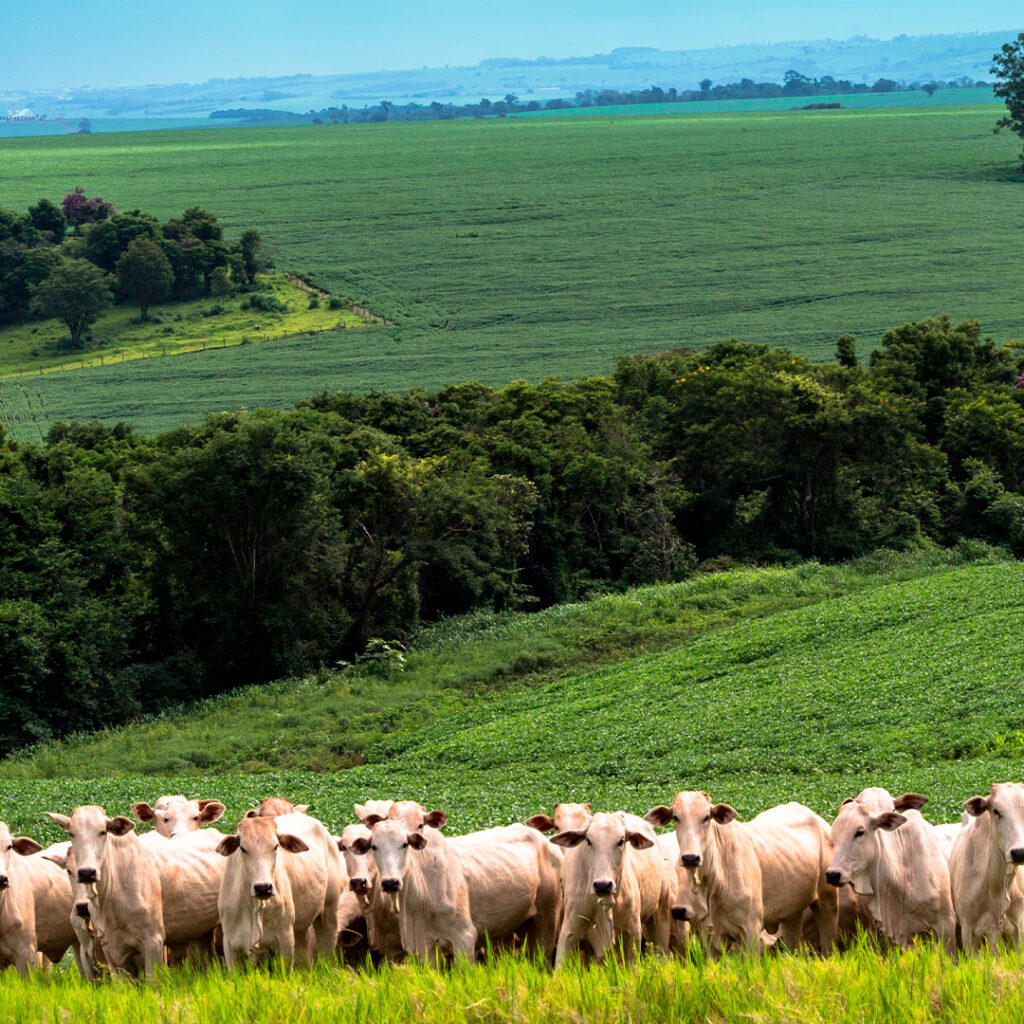
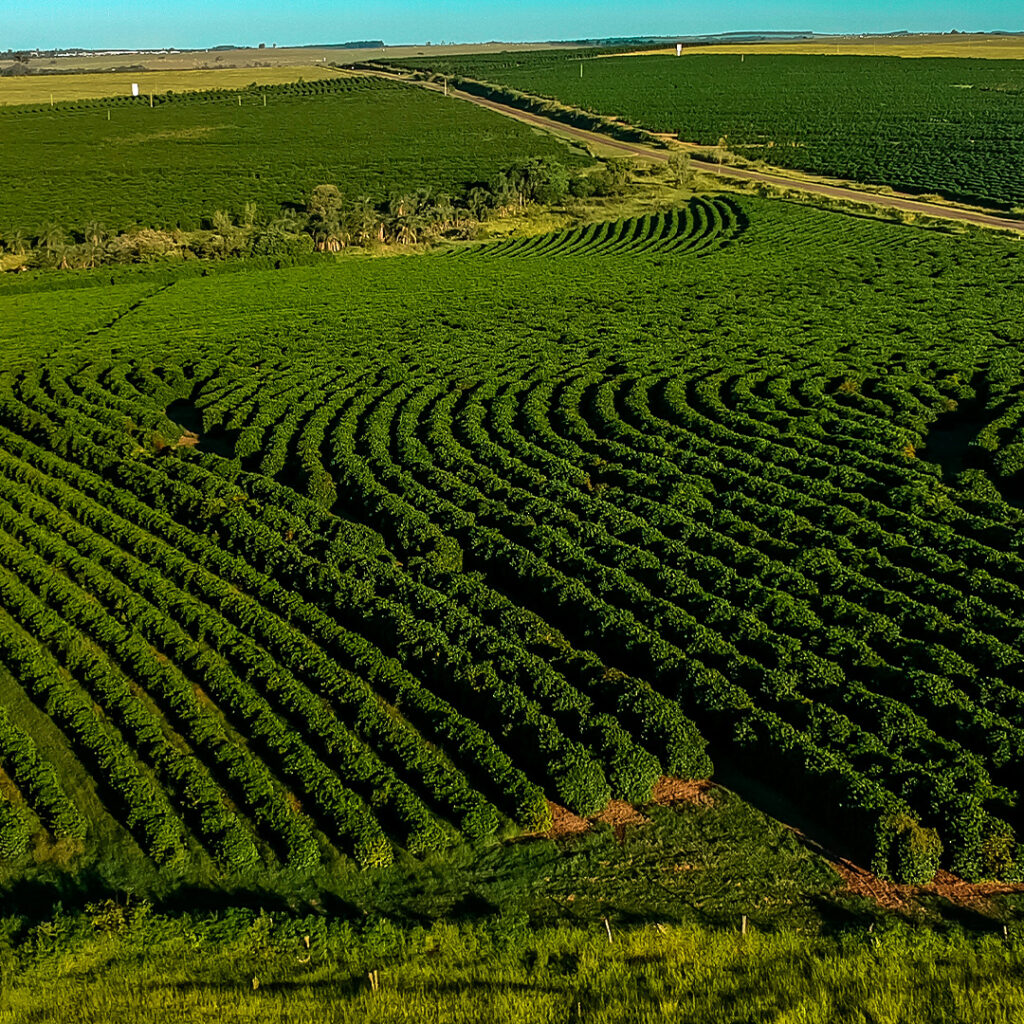
Abordagem que gera créditos de carbono em áreas de produção agrícola e pecuária. A partir de práticas aprimoradas de manejo, é possível melhorar a qualidade e o armazenamento de carbono no solo. Essas atividades intensificam a produção agropecuária, agregando o valor econômico dos serviços ambientais no campo.
BLUE CARBON
Wetlands Restoration and Conservation
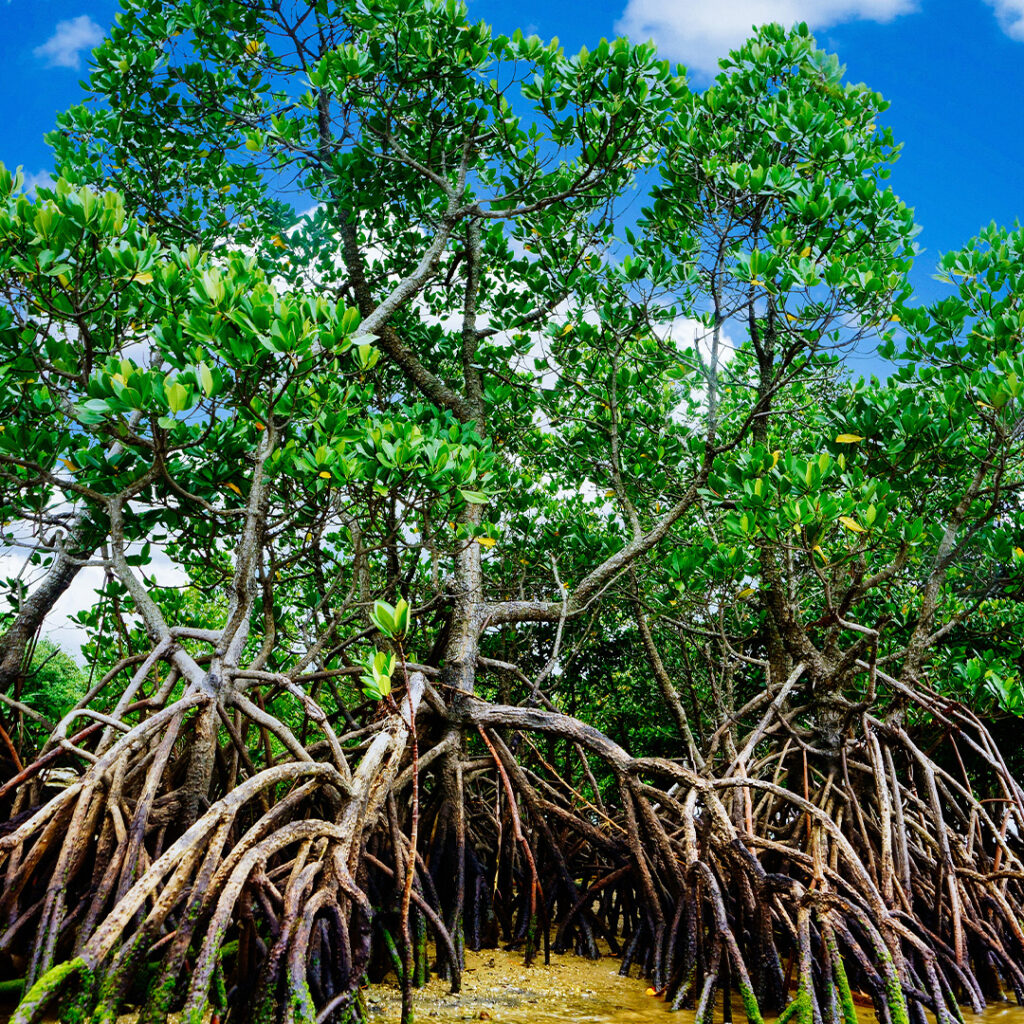
Abordagem que gera créditos de carbono por meio da conservação e restauração dos ecossistemas costeiros ou zonas úmidas sob influência de marés (tidalwetlands) como os mangues, marismas, apicuns e seagrass – pradarias marinhas.
CRL
Compensação de Reserva Legal
Para propriedades rurais que têm déficit de Reserva Legal e não estão de acordo com o Novo Código Florestal, a Compensação de Reserva Legal é a melhor solução custo/ benefício sem perder áreas produtivas. A Ambipar Environment é referência nacional no mercado de compensação de reserva legal e conta com o maior banco de florestas em todas as modalidades, estados e biomas.
BIOCHAR
Biomass (biomassa) e Charcoal (carvão) ou Biocarbono
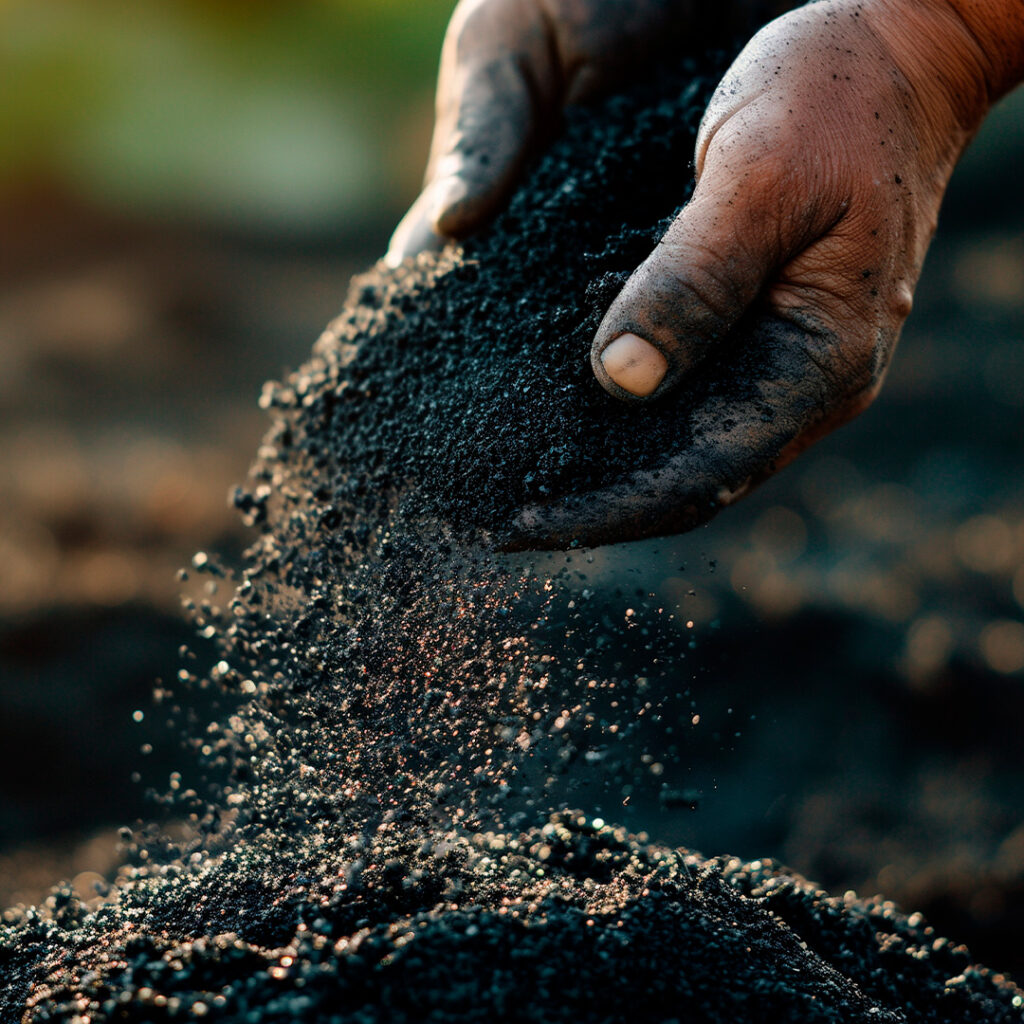
Abordagem que gera créditos de carbono por meio da Produção e Aplicação do Biochar em Solos Agrícolas (ou outros usos não energéticos) com a Remoção do CO2 da Atmosfera. O biochar produzido a partir de resíduos de biomassa sustentáveis é um condicionador de solo trazendo benefícios físicos, químicos e biológicos, resultando em produtividade e rentabilidade.
Take the next step in your company's decarbonization journey.
TALK TO OUR EXPERTS.
office
Av. Angelica, 2330
Ed. New England - 5th floor
Higienópolis, São Paulo - SP